

Slinger Banksman
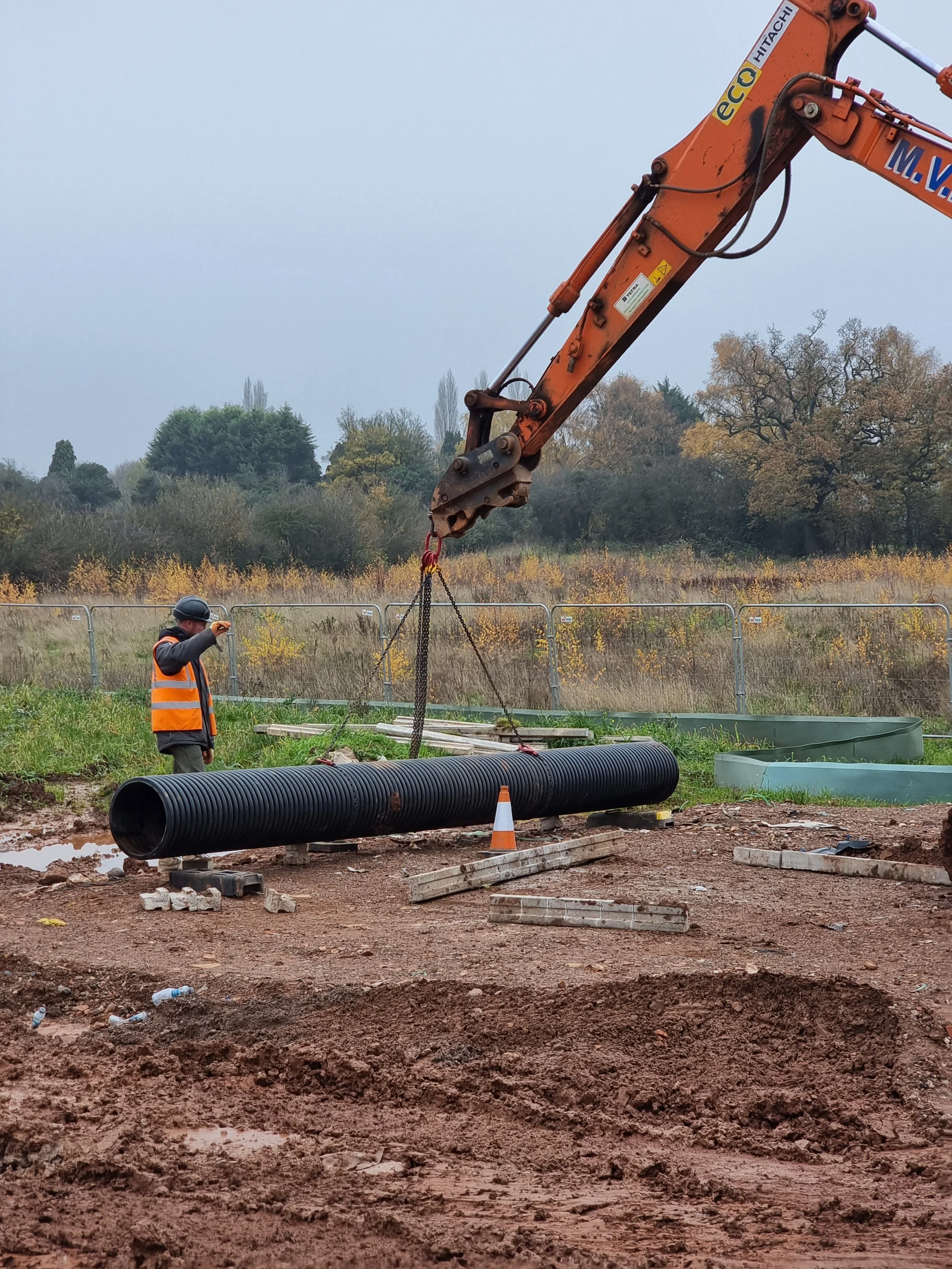
Slinger Banksman Training Course
Slinger Banksman (also known as Slinger Signaller) training focuses on the safe rigging, slinging, and signaling of loads during lifting operations with excavators, cranes or hoists. This role is critical in construction, logistics, and heavy industry to prevent accidents like load drops or collisions. The course combines theory with practical exercises to build competence in directing lifts safely.
Who Should Attend
Ideal for riggers, crane operators, groundworkers, precast operatives, steel fixers, site supervisors, and workers involved in lifting operations.
Course Objectives
Participants will learn to:
Understand roles and responsibilities in lifting teams.
Select and inspect slinging equipment.
Use standardized hand signals and communication methods.
Assess risks and plan safe lifts.
Comply with regulations like LOLER and PUWER.
Course Content
Structured around theory and hands-on practice for real-world application.
Theoretical Components
Legislation and Standards: Coverage of LOLER (Lifting Operations and Lifting Equipment Regulations), PUWER, Lift Plans and BS 7121 Code of Practice for safe use of cranes.
Roles and Duties: Responsibilities of the slinger/banksman, including communication with crane operators and load assessment.
Lifting Equipment: Types of slings (chain, wire rope, synthetic), hooks, shackles, and their safe working loads (SWL). Inspection for defects.
Load Calculations: Determining center of gravity, weight estimation, and angle factors affecting lift capacity.
Hazards and Risk Assessment: Identifying risks like unstable loads, weather impacts, and blind lifts.
Practical Components
Slinging Techniques: Attaching and detaching loads securely, using tag lines for control.
Signaling Methods: Standardized hand signals, radio communication, and directing cranes in simulated scenarios.
Lift Planning: Creating method statements and conducting pre-lift checks.
Emergency Response: Handling load shifts or equipment failures.
Duration
Half a day with theoretical & practical elements.
Assessment and Certification
Includes theory tests (multiple-choice) and practical evaluations on slinging and signaling. Assessment is ongoing throughout the course, with a focus on practical proficiency. Participants must demonstrate competent slinging and banking techniques as well as through equipment examinations. Upon successful completion, attendees receive a certificate of competence, valid for 3 years.
Benefits
Reduces lifting accidents, ensures regulatory compliance, and boosts operational efficiency. Certified slingers are in high demand, enhancing career prospects.
Lift your career with safe practices – book now below!