

Cat & Genny
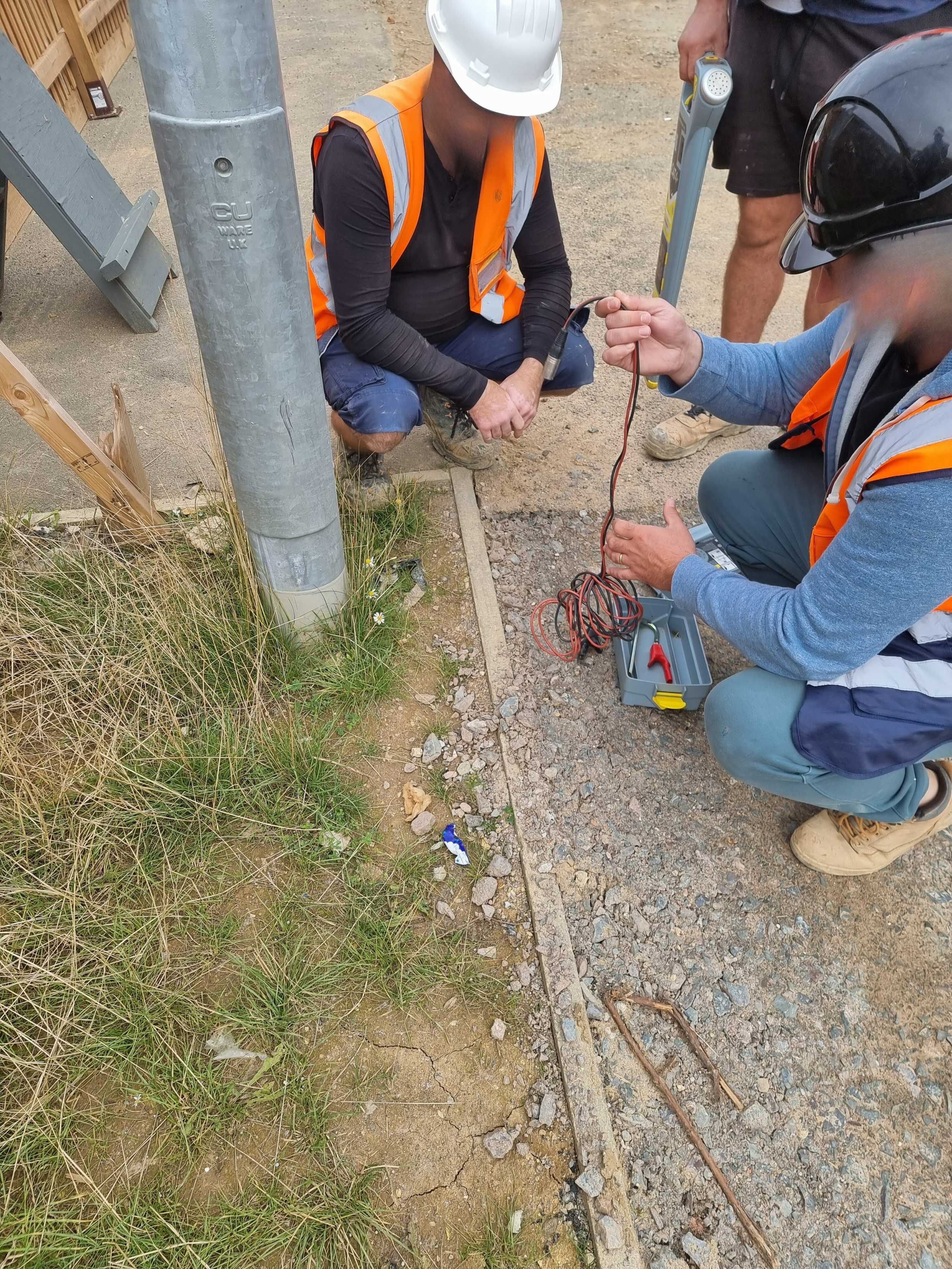
Cat & Genny
The Cat & Genny (Cable Avoidance Tool and Signal Generator) training course is designed to equip participants with the essential skills and knowledge to safely locate and avoid underground services during excavation and groundwork activities. This training is crucial for preventing accidents, service disruptions, and costly damages caused by striking buried utilities such as cables, pipes, and conduits. By combining theoretical understanding with practical hands-on experience, the course ensures that attendees can confidently use detection equipment in real-world scenarios, adhering to industry standards and regulations.
Course Objectives
By the end of the course, participants will be able to:
Understand the principles of electromagnetic detection and the limitations of Cat & Genny equipment.
Interpret buried service plans and identify potential hazards.
Perform pre-use checks, maintenance, and correct scanning techniques.
Comply with relevant legislation, including HSG47 guidelines on avoiding dangers from underground services.
Safely mark and avoid underground utilities to minimize risks on site.
Course Content
The course is divided into theoretical and practical modules to provide a comprehensive learning experience.
Theoretical Components
Introduction to Equipment: Overview of the Cat (Cable Avoidance Tool) and Genny (Signal Generator), including different models like the Genny 4. Explanation of how they work together to detect passive and active signals from underground services.
Legislation and Guidance: Detailed review of key regulations, such as the Health and Safety at Work Act and HSG47 – Avoiding Dangers from Underground Services. Discussion on legal responsibilities and the consequences of non-compliance.
Hazards and Risks: Identification of common hazards associated with underground services, including electrical shocks, gas leaks, and water main bursts. Emphasis on hazard avoidance strategies and the importance of risk assessments.
Electromagnetic Theory: Basic principles of how electromagnetic fields are used to locate services. Coverage of signal modes (power, radio, and genny) and factors affecting detection accuracy, such as soil conditions and interference.
Buried Service Plans: How to read and interpret utility plans, including symbols, color coding, and limitations of plans versus on-site detection.
Equipment Limitations: In-depth discussion on what Cat & Genny can and cannot detect, including non-metallic pipes and the need for supplementary tools like ground-penetrating radar in complex scenarios.
Practical Components
Pre-Use Inspections and Maintenance: Hands-on training on checking equipment for faults, calibrating devices, and performing daily tests to ensure reliability.
Scanning Techniques: Step-by-step guidance on conducting a full site scan, including grid patterns, direct connection methods, and induction modes. Participants practice locating simulated underground services.
Marking and Reporting: Best practices for marking detected services on the ground using spray paint or flags, and documenting findings for team communication.
Safe Work Practices: Integration of detection into safe digging procedures, including permit-to-dig systems and emergency responses to strikes.
Duration
The course typically lasts half a day, depending on group size and prior experience. It includes breaks and ample time for practical exercises.
Assessment and Certification
Assessment is ongoing throughout the course, with a focus on practical proficiency. Participants must demonstrate competent use of the equipment in a simulated environment. Upon successful completion, attendees receive a certificate of competence, valid for 3 years. Please also see our Siteright NOCN approved courses
Benefits
Completing this course reduces the risk of utility strikes, which can lead to injuries, project delays, and financial penalties. It promotes a safer work environment, enhances team confidence, and ensures compliance with health and safety standards. Employers benefit from lower insurance premiums and improved site efficiency. Refresher training is recommended every 3 years to stay updated with equipment advancements and regulations.
For more details or to book, contact our team on the form below. Stay safe and dig smart!