

Abrasive Wheels
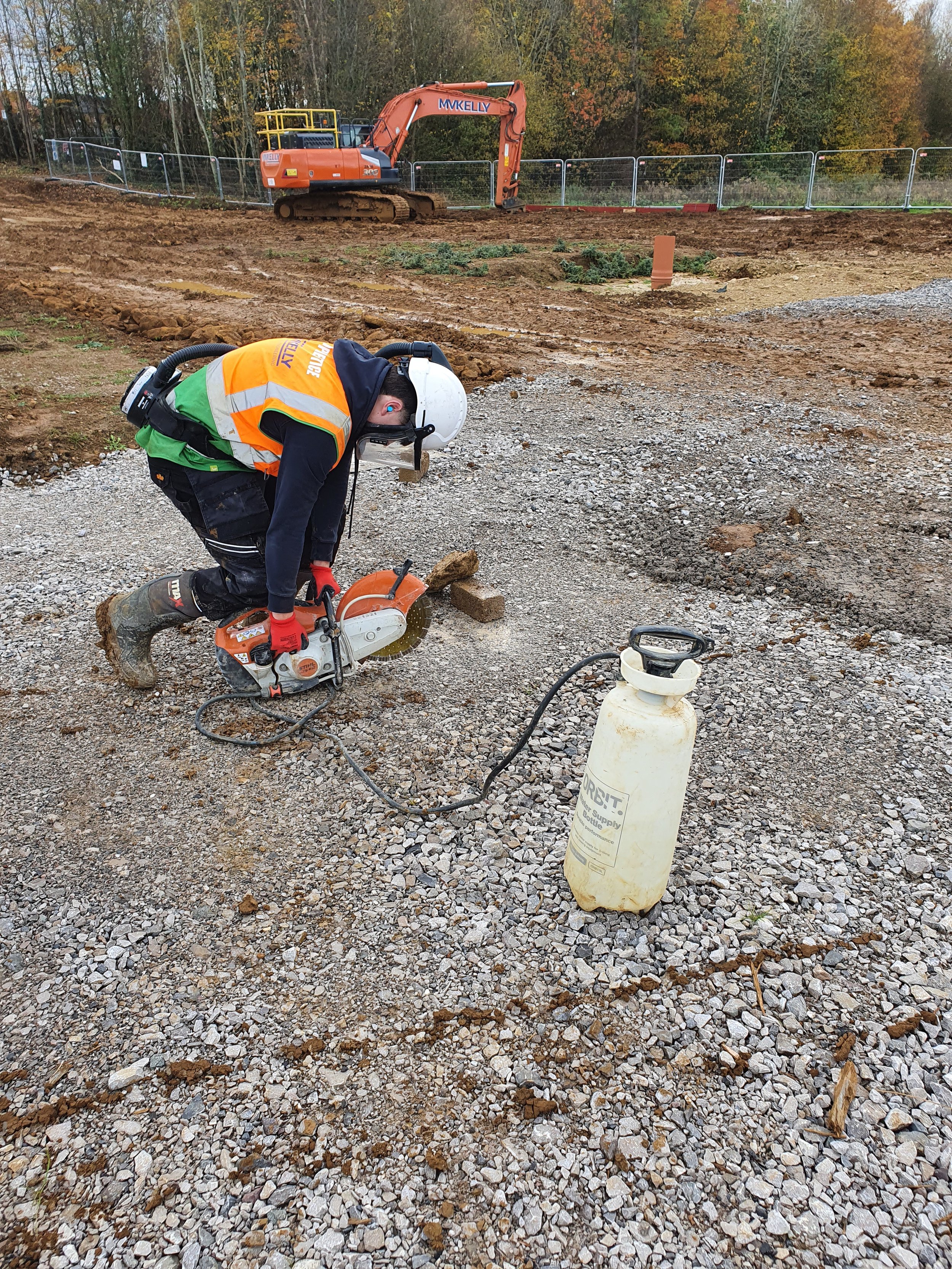
Abrasive Wheels Training Course
Abrasive Wheels training provides essential knowledge on the safe use, handling, and maintenance of abrasive wheel equipment, such as grinders and cutting tools. This course addresses the hazards associated with these powerful machines, which can cause severe injuries if not operated correctly. Through a blend of theory and practical instruction, participants learn to minimize risks, ensuring compliance with workplace safety regulations and promoting a culture of safety.
Who Should Attend
This training is suitable for operators, supervisors, and maintenance personnel who use or oversee the use of abrasive wheels in industries like construction, manufacturing, engineering, and maintenance. It's essential for those handling bench grinders, angle grinders, or disc cutters. Beginners and experienced users alike will benefit from the refresher on best practices.
Course Objectives
Upon completion, delegates will:
Identify different types of abrasive wheels and their applications.
Understand the hazards and implement control measures.
Perform safe mounting, dressing, and operation of wheels.
Select and use appropriate personal protective equipment (PPE).
Comply with relevant legislation, including PUWER (Provision and Use of Work Equipment Regulations).
Course Content
The course covers both classroom-based learning and practical demonstrations for a thorough understanding.
Theoretical Components
Introduction to Abrasive Wheels: Types of wheels (bonded, coated, etc.), their composition, and suitability for various materials like metal, stone, or concrete.
Hazards and Risks: Detailed analysis of dangers such as wheel breakage, flying debris, vibration, noise, and dust inhalation. Discussion on common accidents and prevention strategies.
Legislation and Standards: Overview of key laws like the Health and Safety at Work Act, PUWER, and abrasive wheel marking systems (e.g., speed ratings, expiry dates).
Wheel Selection and Storage: How to choose the right wheel based on machine specifications, material, and task. Proper storage to prevent damage or contamination.
Pre-Use Inspections: Checking for cracks, imbalances, or wear using ring tests and visual inspections.
Practical Components
Mounting Procedures: Step-by-step guidance on correctly mounting wheels, including balancing, flange use, and torque settings to avoid over-tightening.
Safe Operation Techniques: Hands-on practice with grinders, covering start-up procedures, guarding, work rests, and safe grinding angles. Emphasis on avoiding side grinding and kickback.
Dressing and Truing: Methods to maintain wheel shape and sharpness using dressing tools.
PPE and Controls: Selection and use of eye protection, gloves, respirators, and hearing protection. Introduction to engineering controls like extraction systems.
Emergency Procedures: What to do in case of wheel failure or injury, including first aid basics.
Duration
The course is usually completed in half a day (4-6 hours).
Assessment and Certification
Evaluation includes a multiple-choice theory test and practical assessments on mounting and operation. Successful participants receive a certificate valid for 3 years.
Benefits
This training significantly reduces accident rates, enhances equipment longevity, and ensures legal compliance, potentially lowering insurance costs. Participants gain confidence in handling tools, leading to higher productivity and fewer downtime incidents. Regular refreshers keep skills sharp amid evolving technology.
Book below to sharpen your safety skills!